Q: What is a polyleader used for in steelhead and salmon fishing?
A: It’s used to control depth and swing speed—basically a quick-change sink tip/leader section that helps your fly fish in the right lane.
Q: Do polyleaders replace Skagit or Scandi tips?
A: Not always. Many anglers use polyleaders as an alternative or complement, depending on their head system and the depth they need. They’re especially useful when you want simpler, quicker adjustments.
Q: How do I choose the right sink rate?
A: Match it to water depth and current speed. Softer runs typically fish better with lighter options; deeper or faster buckets often require heavier sink. If you’re close, fine-tune with small changes rather than jumping extremes.
Q: Are these only for Spey rods?
A: No. They’re commonly used on Spey and switch setups, but they can also be used on single-hand systems where you want controlled depth without a full line change.
Q: What’s the most common mistake when using polyleaders?
A: Over-sinking. If your fly loses movement or constantly hangs up, you’re usually too heavy. Lighter and more controlled often swings better and hooks more fish.
Q: Do I need special knots or rigging?
A: A clean, strong connection and a simple tippet setup is usually best. Keep it consistent so you can swap options quickly and confidently.
Flies and Patterns
Q: What are the best “all-around” steelhead flies to start with?
A: Build a small core box: a couple larger profile flies for pushy water, a few medium “everyday” patterns, and a few small, sparse options for low/clear conditions—plus backups in your confidence colors.
Q: Should I pick steelhead flies by river, by run type, or by season?
A: Season and conditions win. Water temperature, clarity, and flow determine how fish respond. Choose flies to match depth + speed + visibility first, then refine from there.
Q: Do steelhead prefer bright or dark flies?
A: Both, depending on conditions. Dark flies give a strong silhouette in many light conditions; brighter flies can help in colored water, low light, or when you want a clear trigger. Carry one “dark lane” and one “bright lane.”
Q: Does size matter more than pattern?
A: Often yes. If you’re unsure, buy the same proven pattern in two sizes. Adjusting size is one of the quickest ways to change how a fly fishes without changing your entire approach.
Q: What’s the best approach for low, clear, pressured water?
A: Go smaller, sparser, and more controlled. Focus on clean swings, lighter tips, and flies that look believable without excess flash or bulk.
Q: What flies work best in high or dirty water?
A: Increase profile and contrast. Choose patterns that push a clearer silhouette and maintain presence, then pair with a tip that keeps the fly in the lane.
Tips, Polyleaders, and Depth Control
Q: How do I choose the right sink tip for swinging steelhead?
A: Start with the water: the deeper and faster the run, the more you need help getting down. If your swing is too fast and high, go heavier. If you’re hanging up constantly or the fly feels “pinned,” go lighter.
Q: What’s the difference between Skagit tips and polyleaders?
A: Think “system behavior.” Skagit tips are common for heavier, faster-sinking presentations and larger flies. Polyleaders can be a simpler way to fine-tune depth and turnover. Many anglers use both depending on the head and the water.
Q: How do I know if I’m deep enough?
A: You don’t need to dredge, but you should be in the lane. A useful rule: if you never touch anything and never feel the fly slow near structure, you may be too shallow. Make adjustments gradually.
Q: Should I change tip or fly first?
A: Change depth first. If the fly isn’t traveling where fish are holding, the perfect pattern won’t matter. Once depth and swing speed are right, refine with fly size/color.
Leaders, Tippet, and Rigging
Q: How long should my leader be for swinging?
A: Long enough for the fly to swim naturally, short enough to stay controlled. Heavier water and heavier tips typically fish better with shorter, simpler leader sections; softer water often benefits from a bit more length.
Q: What tippet strength should I use for steelhead?
A: Use the strongest tippet that still gives the presentation you want. If you’re swinging larger flies or fishing heavy structure, strength helps. If conditions are low and clear, you may need to step down for better movement and confidence.
Q: What’s the cleanest way to rig for fewer tangles?
A: Keep it simple: strong connections, minimal extra hardware, and consistent leader lengths. Over-complicated rigs cost fishing time.
Q: Do I need a swivel?
A: Usually not for swinging. Swivels can add hinge points and collect debris. Most anglers prefer clean knot-to-knot or loop systems unless a specific problem requires a swivel.
Swinging vs Nymphing
Q: Is swinging or nymphing “better” for steelhead?
A: They’re different tools. Swinging covers water efficiently and targets aggressive responses. Nymphing can be more effective when fish are holding tight and not moving far. Your river, season, and goals should decide.
Q: What should I change when I’m not getting grabs on the swing?
A: In order: adjust depth, then swing speed, then angle/step-down, then fly size, then fly color. Most anglers change flies too early.
Q: If I’m getting bumps but no hookups, what does that mean?
A: Often the fly is close but not committed—try a smaller fly, slower swing, or a slightly different depth. Also confirm your hook is sharp and your hookset mechanics are solid.
Hooksets and Landing
Q: What’s the correct hookset when swinging for steelhead?
A: Stay calm, keep the rod low, and let the fish turn. Then apply steady pressure. A big, upward “trout set” can pull the fly away early—especially at distance.
Q: What’s the most common reason steelhead come unbuttoned?
A: Slack. Maintain pressure through direction changes and keep your line tight when the fish jumps or runs toward you. Smooth, steady tension is the goal.
Practical “On the Water” Decisions
Q: How fast should I step down a run?
A: Slow enough to cover lanes, fast enough to keep moving. If a run has obvious buckets and seams, give them extra attention. If it’s uniform water, a steady step-down keeps you efficient.
Q: What time of day matters most?
A: Conditions matter more than the clock: light level, water temp, and clarity. Prime windows happen when fish feel comfortable moving—often when light is softer or conditions shift.
Q: What should I bring for a simple, effective steelhead kit?
A: A small fly selection in two size ranges, a few tips that cover shallow-to-deep, fresh tippet, and one confidence setup you know casts well. Overpacking often leads to overthinking.








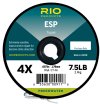 RIO ESP Tippet
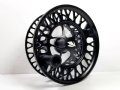 Sage Domain 5 Extra...
 Airflo SuperFlo Max...