Shop Wading Boots
How to Size Wading Boots:
A Complete Guide for Anglers (Fresh and Saltwater)
+ Cleanup and maintenance
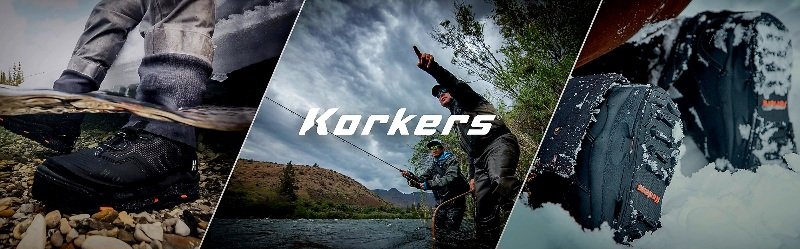
When shopping for wading boots from top brands like Korkers, SIMMS, and Grundens, it's important to consider not just fit, but also the features that match your fishing style and environment. Each brand brings something unique to the table. Korkers are best known for their interchangeable outsole system, allowing anglers to switch between felt, rubber, and studded soles depending on the terrain. This makes them a favorite for those who fish in diverse conditions or travel often. Korkers boots also tend to have a roomier fit, which is helpful for anglers with wider feet or thicker wader booties.
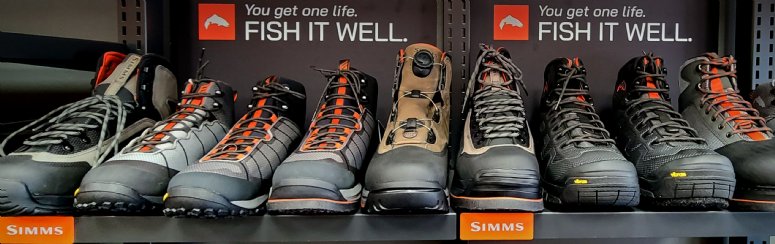
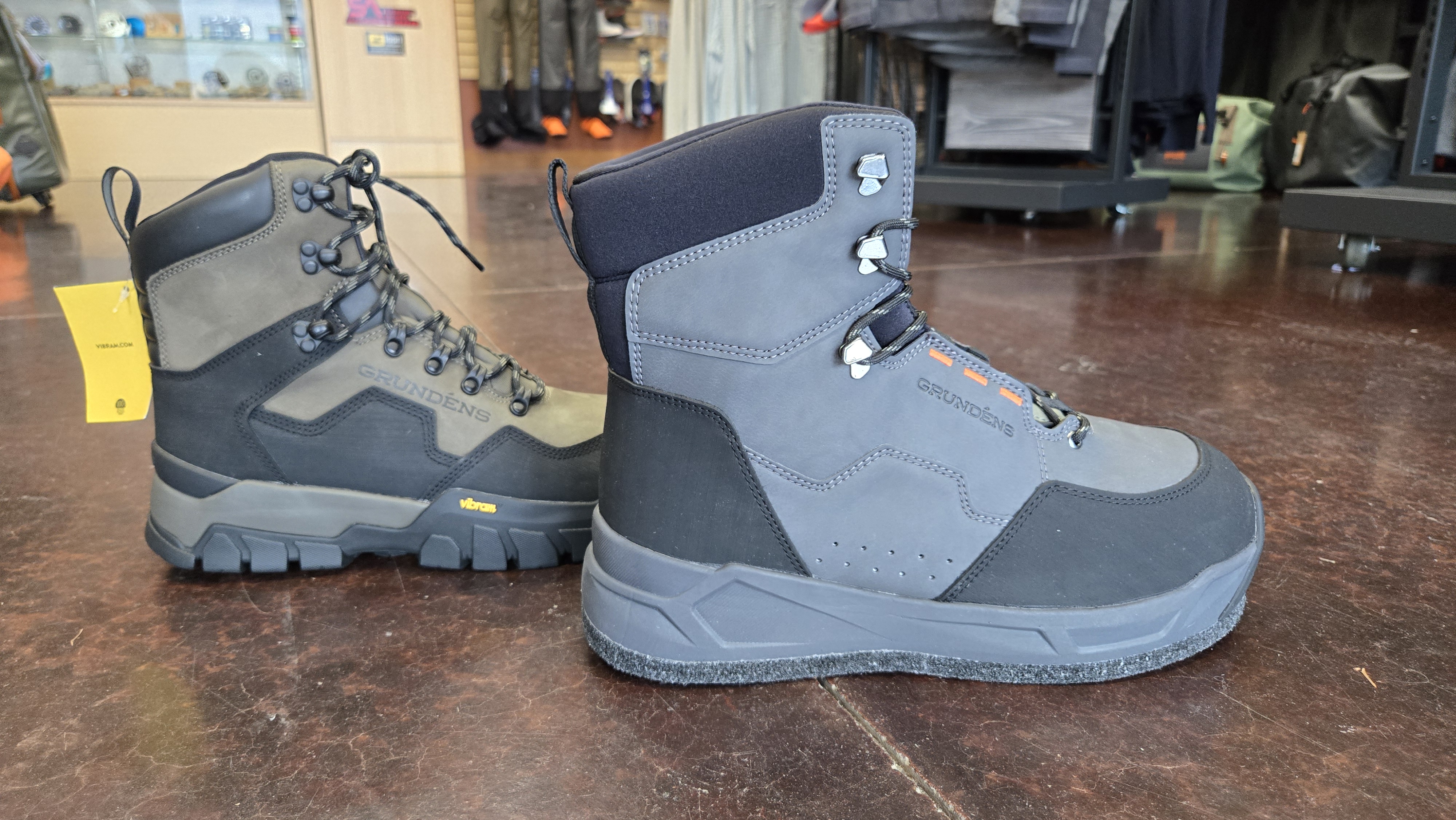
SIMMS, on the other hand, has built a reputation for durability, premium materials, and performance-driven design. They offer a wide range of models for everything from lightweight hiking to heavy-duty river wading. SIMMS boots often feature reinforced uppers, Vibram soles, and anti-corrosion hardware - ideal for anglers who demand long-term reliability. Meanwhile, Grundens, a brand traditionally known for hardcore commercial fishing gear, has recently entered the wading boot market with boots designed for rugged environments and extended wear. Grundens boots are typically built with waterproof leathers, aggressive tread patterns, and reinforced toe and heel protection, making them a solid choice for anglers who prioritize protection and grip. No matter which brand you choose, make sure to size, or size up appropriately and consider your wading gear to ensure maximum comfort and performance.
Finding the Right Size...
Avoid foot pain, cold toes, and gear failure - learn how to choose the right size wading boots. Whether you're shopping for Korkers, SIMMS, Grundens or any other top brand, this guide will help you get the perfect fit the first time.
Why Wading Boot Sizing Is So Important
Wearing the wrong size wading boot can lead to:
- Cold, numb feet
- Blisters and pressure points
- Damaged waders and booties
- Shorter boot lifespan
- Less time enjoying the water
A properly fitting wading boot provides comfort, support, and durability - even during long days on slick, uneven terrain.
Wading Boot Sizing Rule of Thumb
Buy One Full Size Up from Your Street Shoe
Most wading boots are designed to be worn over:
- Medium to heavy socks
- Neoprene wader booties
Example:
If your street shoe size is a 9, start with a size 10 wading boot.
This sizing approach applies to top brands like Grundens, Korkers and SIMMS.
What If You Wear a Half Size?Most wading boots are only available in whole sizes.
If you wear a 9.5 street shoe, size up 1.5 sizes to an 11.
A half-size bump won't provide the space needed for socks and neoprene booties.
Wide Feet or High Insteps? Size Up Again
If you have:
- Wide feet
- High arches
- Large insteps
...you may need to size up two full sizes. A person with a wide size 9 foot may find the best fit in a size 11, depending on the boot's construction.
Why Bigger Is Better Than Too Small
A snug boot might seem appealing - but too tight is trouble.
Here's what can go wrong with undersized wading boots:
- Poor circulation = cold, numb feet
- Increased friction = blisters and foot pain
- Overstressed seams = early boot breakdown
- Tight fit = damage to your wader booties
- Lack of room = no space for warm socks in cold weather
When in doubt, size up.
How Wading Boots Should Fit
Look for "Comfortable Support"
The ideal wading boot fit offers:
- Toe room: Toes should not touch the front of the boot
- Secure heel: Prevents slipping and rubbing
- Firm hold: Foot stays stable, without pressure points
Slight internal movement is okay. A boot should feel secure but not restrictive. Always try on boots with the same socks and waders you plan to fish in.
Bonus Tips for Choosing the Right Fit
- Bring your waders and fishing socks when trying boots on
- Expect a snug, not tight, feel, especially in the heel
- Lace systems (like BOA vs. traditional laces) can affect how the boot hugs your foot
- Leave room for thicker socks if you fish in cold water
Saltwater boot fit and sizing
Saltwater footwear gets confusing fast because “wading boots” can mean two very different use cases. Before you talk size, decide how the boot is actually going to be worn: over a wader bootie in cold surf, or as a light flats or wet-wading shoe with a sock.
1) Surf and cold-water salt boots (waders + boot)
These are closer to traditional wading boots in how they fit, because they are typically worn over waders. A good example is the Simms FreeSalt boot, which was designed around surf and striper-style wading in colder climates.
- Sizing rule of thumb: treat it like a standard wading boot and plan on about one size up to accommodate a wader bootie.
- Why: the neoprene bootie adds bulk, and you still want enough room to avoid pressure points once sand and water get involved.
2) Flats sneakers / “salt sneakers” (thin sock, no waders)
Flats shoes are usually built to be worn more like a sneaker: thin sock, breathable, and comfortable for long walking days.
- Sizing rule of thumb: true-to-size for most anglers wearing a normal sock.
- If using a neoprene wading sock: you may need a bit more room, but it depends on thickness. Neoprene wade socks are usually thicker than a normal sock but thinner than a wader bootie, so this becomes preference-driven.
3) Wet-wading shoes (freshwater or salt crossover)
Wet-wading shoes often overlap with flats footwear. The fit depends on whether the angler likes barefoot feel or wants foot protection and reduced rubbing.
- Barefoot (common): typically true-to-size.
- With a guard sock: you may need to size up depending on the sock thickness and how snug the shoe runs.
- Best practice: plan sizing around the thickest thing you’ll wear in the shoe on your longest day.
A simple fit test that prevents most issues
Regardless of style, you want:
- Toes not jammed when walking downhill
- Heel locked in (no lift that creates blisters)
- Enough room for swelling after hours of walking
- No tight hotspots across the top of the foot once wet
Cleanup and maintenance (freshwater and saltwater)
Freshwater: keep it simple, keep it dry
- Rinse mud and grit off after trips. A quick hose-down keeps sand from grinding away at seams, lace guides, and soles.
- Sand and grit not only hard on boots but also hard on the neoprene booties of waders.
- Dry completely between days. Pull the insoles if possible and open the laces so air can circulate. Damp boots break down faster and get funky quickly.
- In addition: It's important to thoroughly dry your boots is to help eliminate spread of invasive species.
- Check the sole and hardware. Look for loose soles, worn studs, or damaged lace hooks before your next trip.
- Check for worn or missing studs - studs do get lost in action.
Saltwater: rinse immediately, then dry
Indeed, salt can be very corrosive affecting hardware, stitching, and adhesives. A little routine goes a long way.
- Rinse thoroughly with fresh water ASAP. Focus on lace eyelets, hooks, drains, and any creases where salt collects.
- Soak if needed. If boots were in heavy surf or dried with salt on them, a short fresh-water soak helps dissolve salt that a quick rinse can miss.
- Dry out of direct heat. Avoid hot car trunks, heaters, or direct sun for long periods. Let them air dry to protect glues and materials.
- Do not store saltwater boots sealed up. Open them up, remove insoles, and let them fully dry before storing.
One small habit that prevents most boot issues
After every trip, give boots a quick rinse, loosen laces, open the tongue, and let them dry fully. That one step reduces odor, corrosion, and premature wear more than any spray or “hack.”
Final thoughts
Whether you choose Korkers, SIMMS, or Grundens, you're investing in quality wading boots built to handle the demands of serious fishing. Each brand offers unique strengths - Korkers for versatility, SIMMS for premium performance, and Grundens for rugged durability. The right choice comes down to your fishing style, environment, and personal fit. With the proper size and the right boot, you'll stay comfortable, supported, and confident no matter where the water takes you.
Still Unsure About Your Wading Boot Size?We've fitted thousands of anglers and are happy to help you choose the best boot for your needs.
Call 541-386-6977
"Fly Fish the World with us"





 Little Thing - Rust
 Scott Session Fly Rods